Brake Repair Warning Signs You Shouldn’t Ignore
Early Symptoms That Affect Stopping Safety
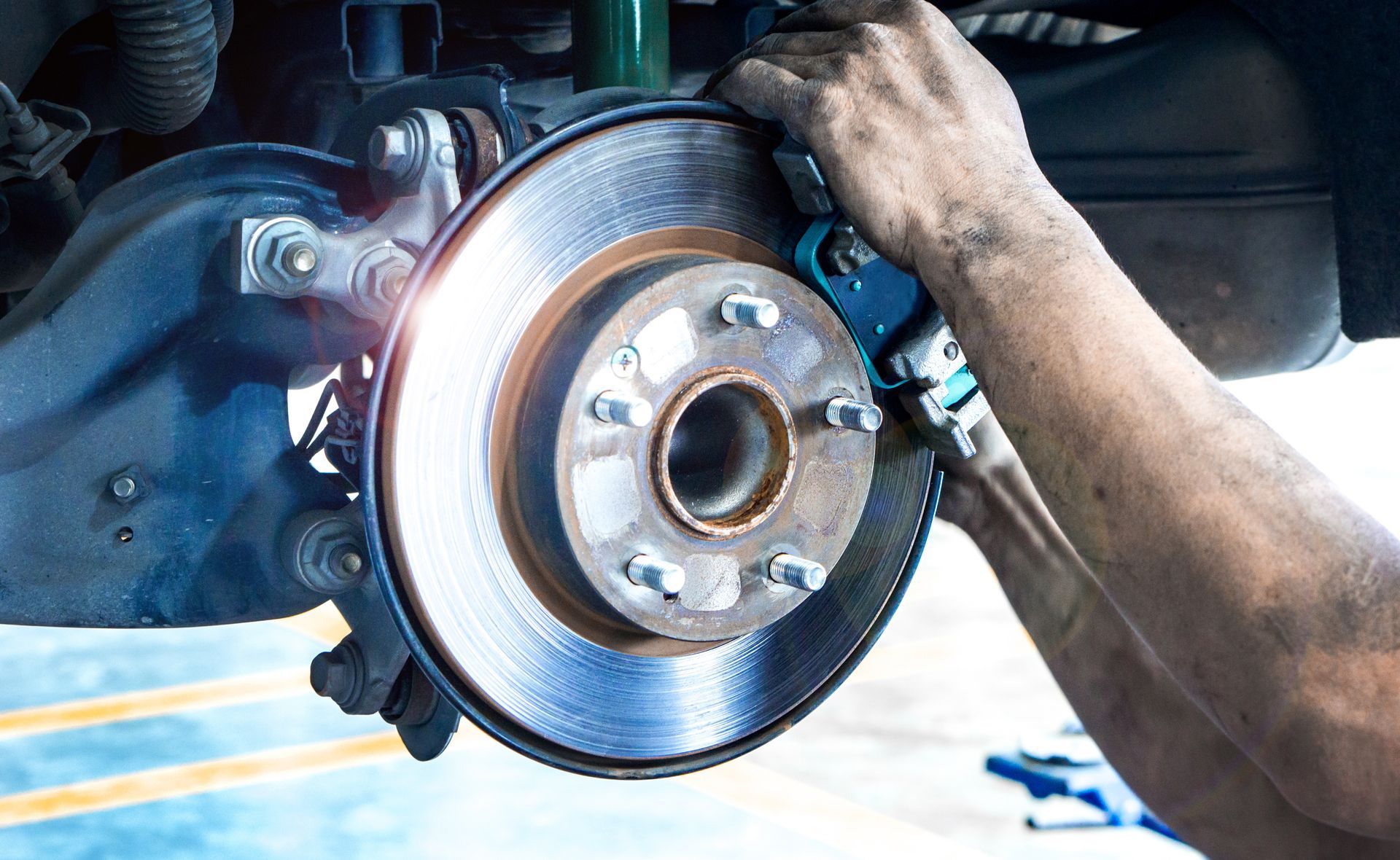
When it comes to vehicle safety, few systems are as critical as your brakes. Whether you’re commuting across Las Vegas, NV, navigating busy intersections, or cruising the highway, your braking system is responsible for one thing above all else—bringing your vehicle to a safe stop. At MVR Auto Repair, we’ve seen firsthand how small brake issues can quickly turn into serious safety concerns when early warning signs are overlooked.
Brakes rarely fail without warning. In most cases, your vehicle gives you subtle—and sometimes not so subtle—signals that something isn’t right. The challenge is knowing what those signs mean and understanding when it’s time to take action. In this guide, we’ll walk through the most common brake repair warning signs, explain what causes them, and show how early attention can protect your safety and help avoid costly repairs down the road.
Why Early Brake Warning Signs Matter
Your braking system is made up of multiple components working together under extreme conditions. Every time you press the brake pedal, friction, heat, and hydraulic pressure are generated to slow your vehicle. Over time, this constant stress causes wear. Ignoring early brake symptoms doesn’t just affect stopping power—it can impact steering, suspension, tires, and even fuel efficiency.
In a city like Las Vegas, where stop-and-go traffic, heat, and highway driving are common, brake components often wear faster than drivers expect. Addressing issues early helps maintain consistent braking performance and reduces the risk of sudden brake failure when you need it most.
Squealing, Squeaking, or Grinding Noises
One of the most common brake warning signs is unusual noise. A high-pitched squeal or squeak when braking is often caused by worn brake pads. Many pads are designed with built-in wear indicators that make noise as a warning before the pads are fully worn out.
Grinding sounds are more serious. This usually indicates that the brake pads have worn down completely and metal components are contacting each other. Driving with grinding brakes can quickly damage rotors and calipers, turning a straightforward brake service into a much more expensive repair.
If you hear persistent brake noise, especially during normal driving conditions, it’s a clear signal that your braking system needs professional attention.
Vibration or Pulsation When Braking
If your steering wheel, brake pedal, or entire vehicle vibrates when braking, this is another warning sign you shouldn’t ignore. Brake vibration is often caused by warped rotors, which can occur due to excessive heat buildup or uneven wear.
Warped rotors reduce braking efficiency and make it harder to stop smoothly. Over time, vibration can also place stress on suspension and steering components, leading to additional repairs. Smooth braking should feel controlled and predictable—any shaking or pulsing is a sign that something is no longer functioning as designed.
A Soft or Spongy Brake Pedal
Your brake pedal should feel firm and responsive. If it feels soft, spongy, or sinks toward the floor, this may indicate air in the brake lines, low brake fluid, or a hydraulic issue within the braking system.
Hydraulic problems can severely compromise stopping power, especially in emergency situations. In some cases, brake fluid leaks may not be visible, making professional inspection essential. A soft brake pedal is not a symptom to “wait and see”—it requires immediate evaluation to ensure safe operation.
Increased Stopping Distance
If your vehicle takes longer to stop than it used to, even under normal driving conditions, your braking system may be losing effectiveness. This can happen gradually, making it easy to overlook until braking performance is noticeably reduced.
Worn pads, contaminated brake fluid, failing calipers, or rotor issues can all contribute to increased stopping distance. In traffic-heavy areas of Las Vegas, reduced braking efficiency increases the risk of rear-end collisions and emergency braking situations. Consistent stopping performance is essential for safe driving in both city and highway conditions.
Brake Warning Lights on the Dashboard
Modern vehicles are equipped with dashboard warning lights designed to alert drivers to potential issues. A brake warning light may indicate low brake fluid, worn components, or electronic brake system faults.
While some warning lights may relate to sensors or electronic systems, they should never be ignored. Dashboard alerts are often the earliest indicator of an underlying problem. Even if braking feels normal, warning lights signal that something requires professional diagnosis.
Pulling to One Side While Braking
If your vehicle pulls to one side when braking, this may be caused by uneven brake pad wear, a sticking caliper, or issues with brake fluid distribution. This condition reduces control during braking and can be especially dangerous at higher speeds.
Pulling can also accelerate tire wear and affect alignment, compounding the issue over time. Proper brake balance is essential for controlled stopping and straight-line stability.
Burning Smell After Braking
A sharp, chemical-like burning smell after braking—especially during heavy traffic or downhill driving—can indicate overheated brakes. Overheating reduces braking effectiveness and may lead to brake fade, a condition where brakes temporarily lose stopping power.
While occasional heat buildup can occur during demanding driving, persistent burning smells suggest that components may be worn or not functioning correctly. Addressing overheating issues early helps protect the entire braking system from long-term damage.
Why Brake Maintenance Is More Than Just Pads
Many drivers associate brake service only with replacing pads, but your braking system is far more complex. Rotors, calipers, brake fluid, hoses, and hardware all play a role in safe braking performance.
At MVR Auto Repair, we approach brake service holistically. By inspecting the entire system, we help ensure balanced braking, consistent pedal feel, and reliable stopping power. This comprehensive approach not only improves safety but also extends the lifespan of brake components.
How Preventive Brake Inspections Improve Safety
Routine brake inspections allow issues to be identified before symptoms become severe. Measuring pad thickness, checking fluid condition, and inspecting hardware can prevent sudden failures and unexpected repair costs.
Preventive brake maintenance is especially important for drivers in Las Vegas, where heat and traffic conditions place additional stress on braking systems. Staying ahead of wear ensures confidence behind the wheel and helps maintain predictable braking performance year-round.
Trusting Professional Brake Diagnostics
Brake systems are safety-critical and require precise diagnostics. While some warning signs may seem minor, modern braking systems are interconnected with electronics, sensors, and hydraulic components that require professional tools and expertise to evaluate properly.
Working with an experienced repair team ensures accurate diagnosis, proper repairs, and braking performance you can rely on in everyday driving and emergency situations alike.
Final Thoughts on Brake Safety
Brake warning signs are your vehicle’s way of telling you something needs attention. Ignoring those signals puts you, your passengers, and other drivers at risk. By recognizing early symptoms—noise, vibration, pedal changes, warning lights, and reduced stopping power—you can take action before small issues turn into major safety concerns.
At MVR Auto Repair in Las Vegas, NV, we believe informed drivers make safer decisions. Understanding brake warning signs empowers you to protect your vehicle, your budget, and most importantly, your safety on the road.