Why Tire Alignment Matters More Than You Think
How Proper Alignment Improves Handling and Tire Life
Tire alignment is often overlooked until a vehicle starts pulling, tires wear unevenly, or steering feels unstable. At MVR Auto Repair in Las Vegas, NV, we regularly see drivers dealing with premature tire replacement or handling issues that could have been avoided with timely alignment service. While alignment may seem like a minor adjustment, it plays a major role in safety, comfort, and long-term vehicle performance.
Proper alignment ensures that your tires meet the road at the correct angles, allowing your vehicle to drive straight, respond predictably, and wear evenly. In this article, we’ll explain what tire alignment actually does, how misalignment happens, the warning signs to watch for, and why routine alignment is an essential part of preventive vehicle care—especially for drivers in Las Vegas.
What Tire Alignment Really Means
Tire alignment refers to adjusting the angles of your wheels so they match the manufacturer’s specifications. These angles—camber, caster, and toe—determine how your tires contact the road and how your vehicle handles during acceleration, braking, and turning.
When alignment is correct, your tires roll smoothly and evenly. When alignment is off, even slightly, it can cause increased rolling resistance, steering instability, and uneven tire wear. Over time, these issues affect not just your tires, but also suspension and steering components.
How Driving Conditions Affect Alignment
Everyday driving conditions can gradually throw your vehicle out of alignment. Hitting potholes, curbs, speed bumps, or rough road surfaces can shift wheel angles without you realizing it. In Las Vegas, NV, where construction zones, uneven pavement, and highway driving are common, alignment issues can develop faster than expected.
Even normal wear and tear on suspension components can slowly change alignment angles. That’s why alignment isn’t just a one-time service—it’s something that should be checked periodically to maintain proper vehicle performance.
Uneven Tire Wear Is an Early Warning Sign
One of the clearest signs of misalignment is uneven tire wear. If you notice the inside or outside edges of your tires wearing faster than the center, or if tires develop a feathered or scalloped pattern, alignment may be the cause.
Uneven wear shortens tire life significantly. Tires that should last tens of thousands of miles may need replacement far earlier if alignment issues are ignored. Correcting alignment early helps protect your tire investment and prevents unnecessary replacement costs.
Vehicle Pulling or Drifting While Driving
If your vehicle pulls to one side when driving straight, even on a level road, this often points to an alignment issue. Many drivers compensate by constantly adjusting the steering wheel, which can mask the problem temporarily but doesn’t resolve the underlying issue.
Pulling affects driver control and can become dangerous during emergency maneuvers. Proper alignment restores straight-line stability and helps your vehicle track predictably under all driving conditions.
Steering Wheel Off-Center
A steering wheel that sits crooked when driving straight is another sign that alignment may be off. This condition may not seem serious at first, but it indicates that wheel angles are no longer balanced.
An off-center steering wheel can make precise steering more difficult and may contribute to driver fatigue over time. Restoring correct alignment brings the steering wheel back to center and improves overall driving comfort.
How Alignment Affects Fuel Efficiency
Misaligned wheels create additional rolling resistance, forcing your engine to work harder to move the vehicle forward. Over time, this extra effort can reduce fuel efficiency.
In a city like Las Vegas, where many drivers rely on daily commutes and highway travel, even small decreases in fuel efficiency can add up. Proper alignment helps your vehicle roll freely, improving mileage and reducing unnecessary engine strain.
The Connection Between Alignment and Suspension Health
Alignment doesn’t just affect tires—it directly impacts suspension and steering components. When wheels are misaligned, suspension parts are forced to operate under uneven stress, which can accelerate wear.
Over time, this added strain may lead to worn ball joints, bushings, or tie rods. Routine alignment checks help protect these components and reduce the risk of costly suspension repairs later.
When Alignment Should Be Checked
Many drivers assume alignment is only necessary when replacing tires, but there are several situations where alignment should be inspected. After hitting a pothole or curb, replacing suspension components, noticing uneven tire wear, or experiencing steering changes, alignment should be evaluated.
Regular preventive maintenance inspections are also an ideal time to assess alignment. Catching small deviations early helps prevent more serious issues from developing.
Why Professional Alignment Matters
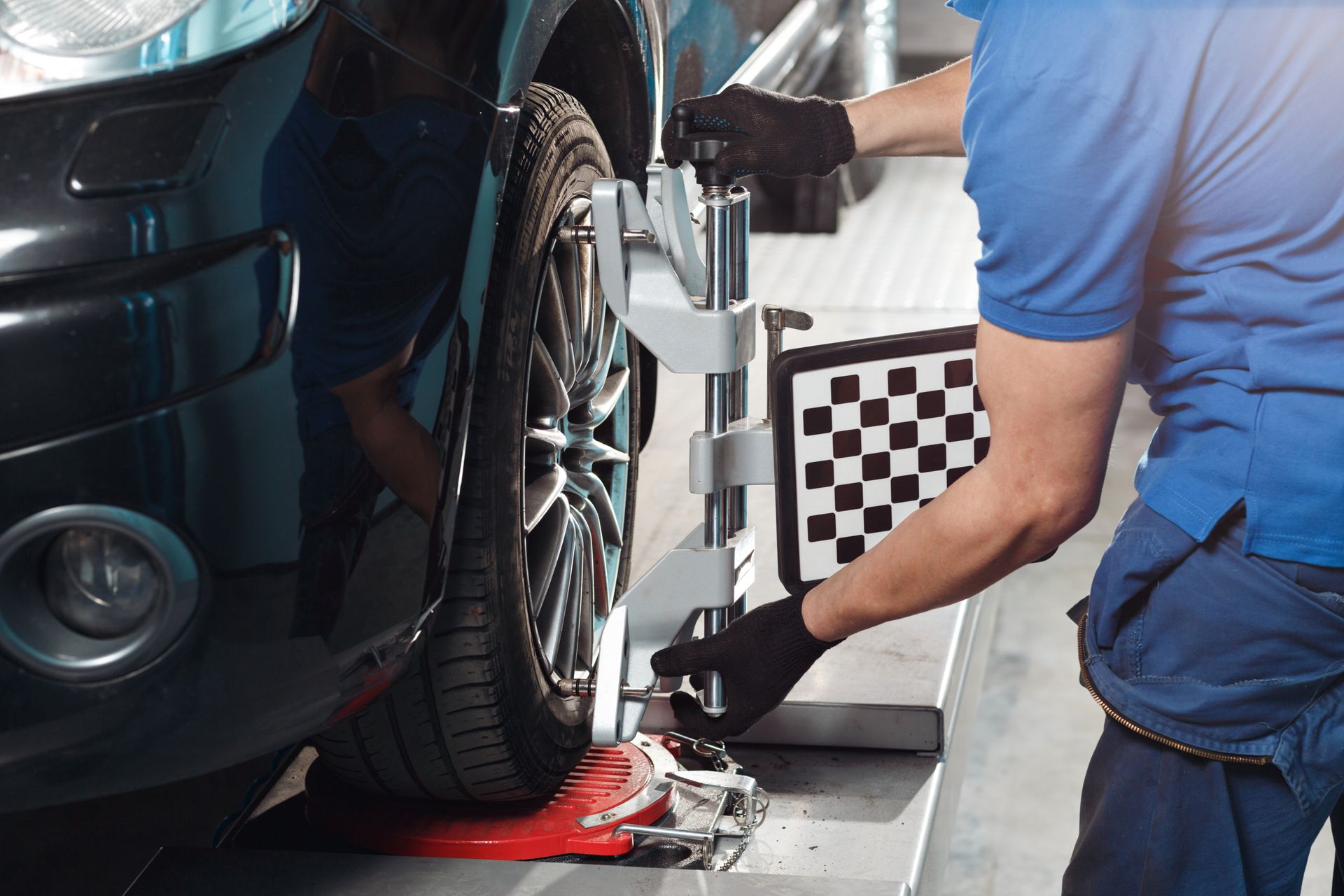
Modern vehicles require precise alignment equipment and trained technicians to adjust wheel angles accurately. Guessing or delaying alignment can lead to continued tire wear and handling issues.
At MVR Auto Repair, we use professional alignment technology and follow manufacturer specifications to ensure consistent results. Proper alignment restores vehicle stability, improves comfort, and supports long-term reliability.
Final Thoughts on Tire Alignment and Safety
Tire alignment may not be the most talked-about automotive service, but its impact on safety, handling, and tire longevity is significant. Misalignment often develops gradually, making it easy to overlook until damage is already done.
By understanding the warning signs and prioritizing routine alignment checks, drivers can protect their vehicles and enjoy smoother, safer driving. At MVR Auto Repair in Las Vegas, NV, we believe preventive care is the key to avoiding unnecessary repairs and maximizing vehicle performance.